

-
CUSTOM CABLE MANUFACTURER
•RoHS/REACH •UL/CSA •AAMI •30 years of experience •Electrical Engineering •ISO Pending •Complete UL/CSA Lab
READ MORE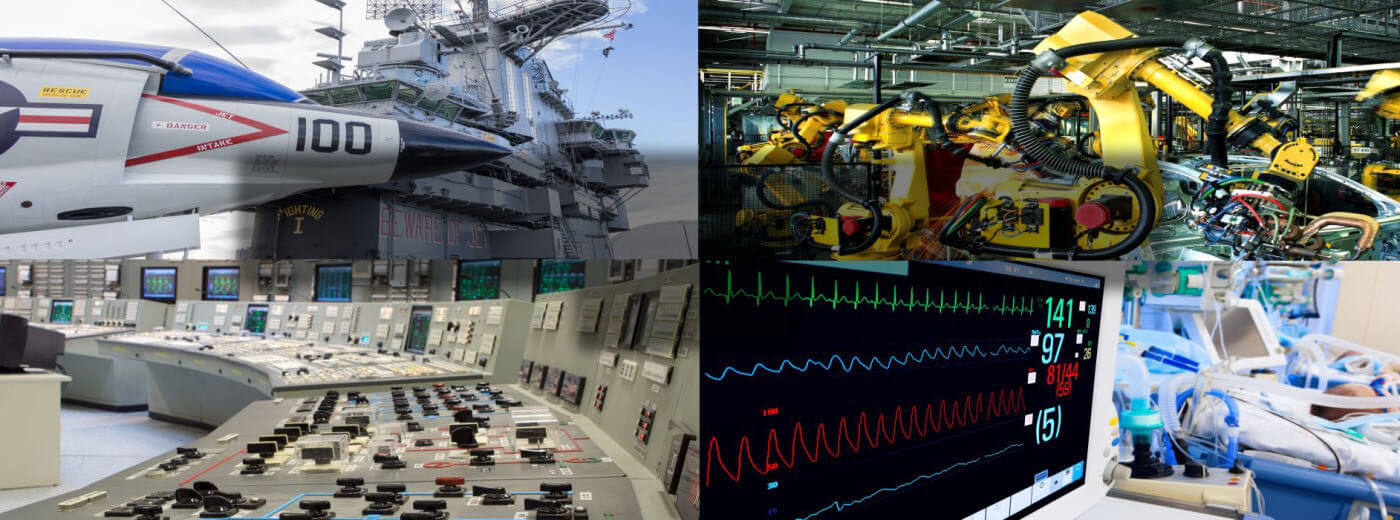
-
MEDICAL WIRE AND CABLE MANUFACTURER
•Patient Lead Wires •Medical Trunk Cable •Hospital Equipment Cable •Low Noise Cable
READ MORE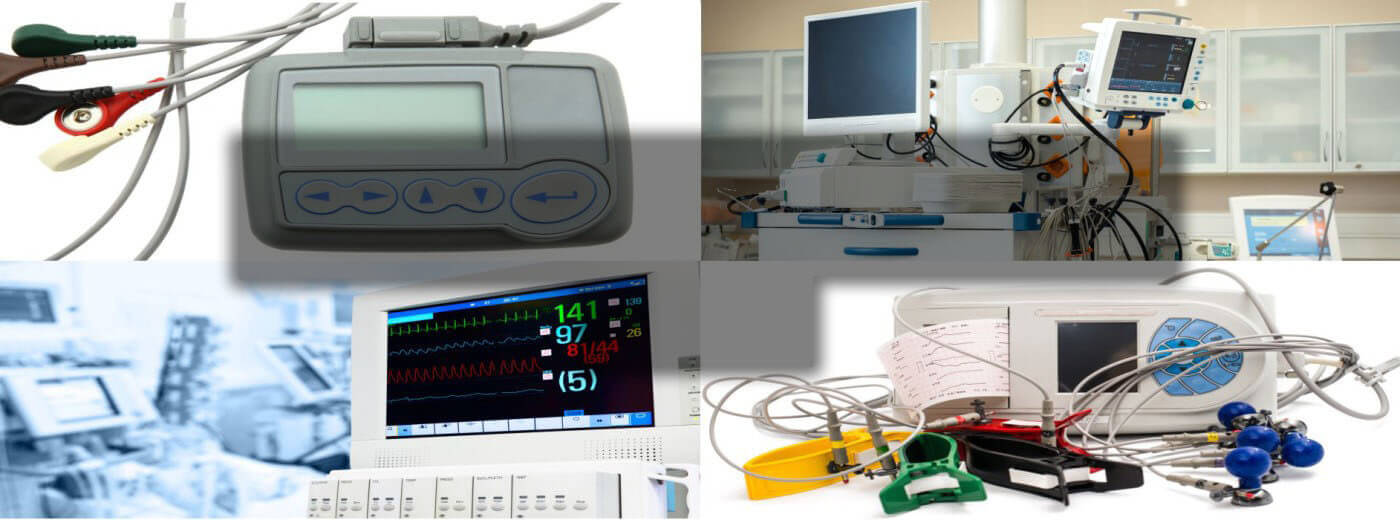
-
BONDED WIRE MANUFACTURER
•Bonded Primary Wire •Bonded Low Noise Coax •Bonded Tinsel Wire •Adhesive Free Bonding •Flat Wires •Ribbon Cable
READ MORE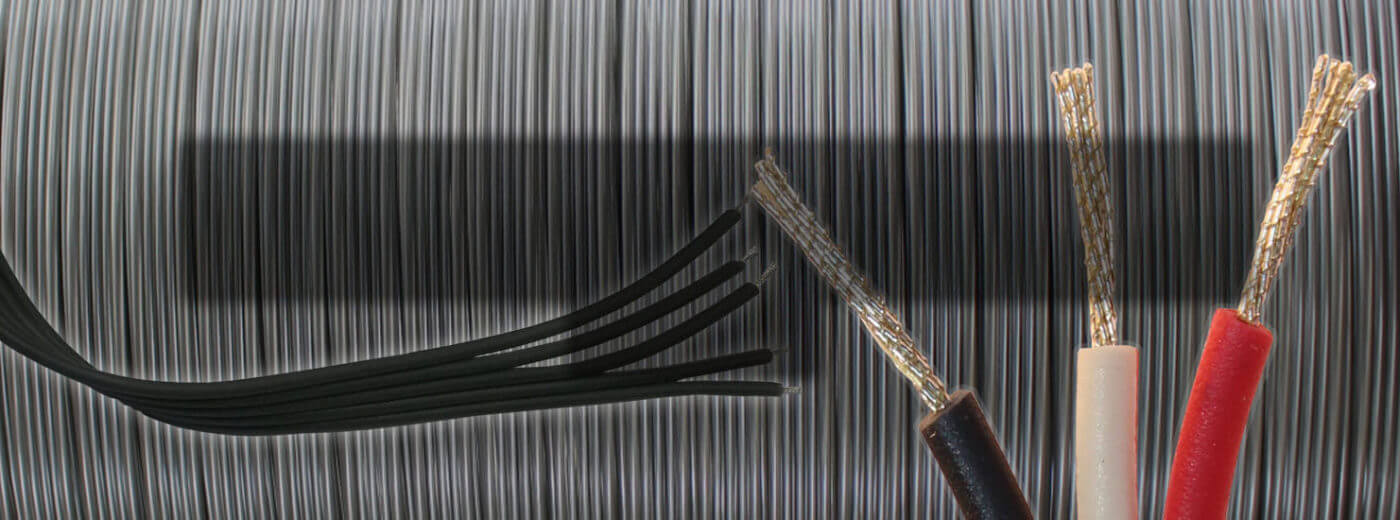
-
QUALITY WIRE & CABLE
Since Systems Wire and Cable’s inception in 1985, our “Commitment to Quality” has been the core principal that has enveloped our company.
READ MORE
Bulk Custom Wire & Cable Manufacturer for over 40 years

On Spec
Computer draft designs for maximum perfection.

On Time
Product delivery days before due dates.

On Budget
On or under budget with best quality products.
CUSTOM WIRE & CABLE
System Wire and Cable has a host of experience in custom cable application design. We offer free consulting in a non-rushed environment.
READ MORE
MILITARY SPEC CABLE
When it comes to Patriotism and Love of Country, SWC is honored to offer its talent in producing a multitude of Military Spec Cable Constructions.
READ MORE
MEDICAL WIRE & CABLE
Of the many custom cables Systems Wire and Cable manufactures, Medical Wire and Cable have been a particular point of focus for our company.
READ MORE
ALPHA EQUALS
Systems Wire & Cable designs, develops, and manufactures electronic cable and wire for computer, communications, medical equipment, military and more.
READ MORE
BONDED WIRE
Thermal Bonding of Wire is an area that Systems Wire and Cable has developed for many of its Custom Cable Products using a variety polymers.
READ MORE
BELDEN EQUALS
As one of the largest U.S. based manufacturers of wire & cable for residential, industrial, entertainment & security, Belden wire & cable is in many projects and RFQs.
READ MORE
QUALITY & TESTING
Our commitment to quality has been a core principal that has given us the name recognition in the industrial and medical custom cable markets.
READ MORE
UL/CSA APPROVALS
Underwriters Laboratory’s “UL” as well as Canadian Standards Association “CSA” are public safety nationally recognized testing labs. SWC doesn’t cut corners on quality.
READ MORE
CUSTOM CABLE MANUFACTURER
Manufacturing High Top Quality Cables made to your specifications
for more than 30 years
Read More
MEDICAL WIRE & CABLE MANUFACTURER
Manufacturing top quality medical wires and cables that meet AAMI Standards
Read More
.png)